Commercial Roofing Services
Commercial Roof Coatings in Green Bay
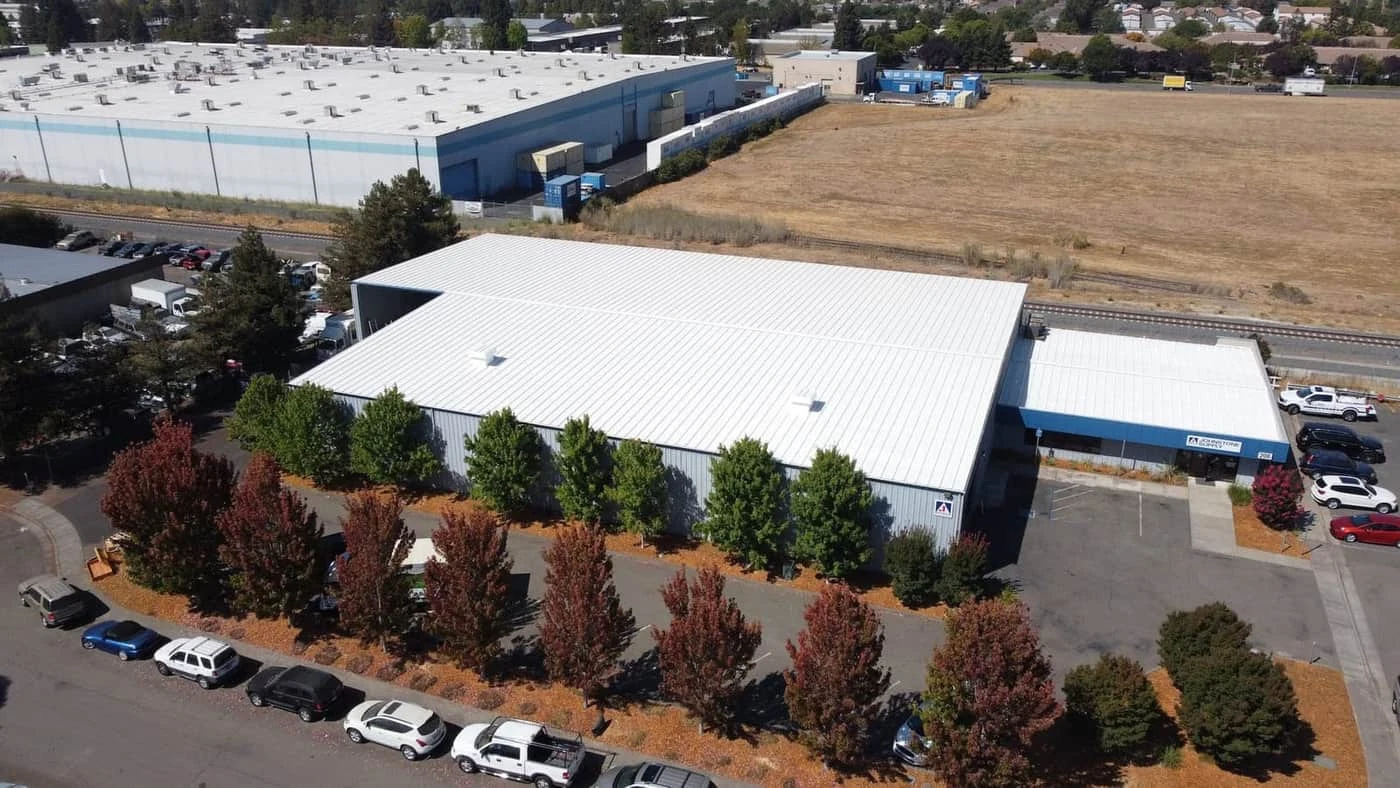
Acrylic Coating Service for Well-Drained Green Bay Metal and Membrane Roofs
A coating recommendation starts with adhesion, moisture, drainage, membrane condition, detail preparation, and warranty eligibility; not every existing roof is a restoration candidate. Acrylic coating costs less per square foot than silicone and works well on the majority of roofs that do not have a chronic ponding problem. We apply acrylic coatings on metal roofs, aging modified bitumen, and low-slope membranes across Green Bay where the drainage is sound and the goal is added reflectivity and weathering protection at a reasonable price.
Where Acrylic Makes Sense
On a well-drained roof, acrylic coating restores UV protection and reflectivity at a lower installed cost than silicone, which makes it the more economical choice on a large share of the roofs we inspect. Metal R-panel and standing seam roofs with a chalking or fading factory finish are a common candidate, since acrylic bonds well to properly prepared metal and extends the panel's weathering life without a full recoat from the manufacturer.
Where acrylic does not make sense is any roof with standing water history. The coating film can break down under sustained ponding in a way silicone does not, so we check drainage and ponding history before recommending acrylic over the alternative.
Reflectivity and Solar Gain on Metal Roof Panels
A white or light-colored acrylic topcoat over an aging metal roof cuts solar heat gain meaningfully, which matters most on buildings with conditioned space directly under the roof deck and minimal insulation between the metal panel and the occupied area below. On warehouse and ag-service buildings without conditioned space, the reflectivity benefit is smaller, and we weigh that against the coating's other benefits, mainly extending the panel finish's weathering life, before recommending the work.
Application Temperature and Dew Point
Acrylic coatings are sensitive to both application temperature and dew point, since the water-based formulation needs the surface to stay dry and within a temperature range through the full cure period. A morning application that looks fine at the time of spraying can fail if dew forms on the surface before the coating has set, which is why we watch the overnight forecast as closely as the daytime temperature when scheduling acrylic work.
That sensitivity narrows the practical application season here to the warmer, more stable stretch of the year, generally similar to the window we use for silicone, though acrylic's dew point sensitivity makes us watch humidity more closely on marginal days.
What an Acrylic Coating Scope Includes
- Substrate cleaning and inspection to confirm drainage and ponding history
- Rust treatment and spot-priming on metal roofs before topcoat application
- Seam and flashing repair on membrane roofs before coating over them
- Two-coat acrylic application to manufacturer-specified mil thickness
- Recoat schedule documentation provided at project close-out
Recoat Cycles and Maintenance Budgeting
Acrylic coatings generally need recoating more frequently than silicone, since the film is more susceptible to weathering and dirt pickup over time. We build that shorter recoat interval into the maintenance schedule we hand off at project close-out, so an owner is budgeting for the next coating cycle rather than being surprised by it a decade later.
Acrylic vs Silicone: Picking Between the Two
The decision mostly comes down to drainage. A roof with no ponding history and a straightforward slope is usually a good acrylic candidate at the lower cost point. A roof with any documented standing water, even seasonal, points us toward silicone coating instead, since the cost difference is smaller than the cost of an early coating failure under ponded water.
Acrylic on Ag-Service and Rural Township Buildings
A lot of the ag-service buildings and small manufacturing shells out toward Pulaski, Luxemburg, and the Kewaunee County townships were built with straightforward gable metal roofs and good drainage by design, which makes them straightforward acrylic candidates when the factory finish starts chalking. Owners on that kind of building are usually working a tighter capital budget than a large industrial plant, and acrylic's lower installed cost fits that reality without cutting corners on the coating itself.
Acrylic Roof Coating Questions
Is acrylic coating suitable for a flat roof with any low spots?
It depends on how long water actually sits. Brief drainage after rain that clears within a day or two is usually fine for acrylic; sustained ponding that lasts multiple days is where we steer the recommendation toward silicone instead.
How does acrylic coating perform on a metal roof compared to a factory finish?
A well-applied acrylic topcoat restores much of the reflectivity and weathering protection of a fresh factory finish, though the recoat interval is shorter than the original factory coating's expected service life.
What happens if dew forms on the coating before it cures?
It can cause surface defects or reduced adhesion, which is why we schedule application with enough buffer before evening dew point conditions return, rather than pushing a coat late in the day on a marginal-weather forecast.
Does acrylic coating need a primer on every substrate?
Not every substrate, but rusted metal and certain aged membrane surfaces need spot-priming or a full primer coat first to get proper adhesion, which we determine during the pre-coating inspection.
How much does acrylic coating typically save versus a full recoat or replacement?
Coating generally costs a fraction of tear-off and replacement, similar to silicone's cost advantage, though the specific savings depend on roof size, substrate condition, and the amount of repair work needed before coating can proceed.
Can acrylic coating be tinted to match a building's existing roof color?
Most acrylic coatings are available in a range of standard colors beyond white, though white or a light reflective color is what we generally recommend where solar gain reduction is part of the goal rather than just a color match.