
Commercial Project Types
K-12 School Roofing in Green Bay, WI
Referendum Funding Cycles Decide When a District Can Actually Act on a Roof Report
Green Bay Area Public Schools, along with the De Pere, Ashwaubenon, Howard-Suamico, Pulaski, and Denmark districts, plan major building work around referendum funding as much as around a roof's actual condition. A district can know exactly which wing needs a new roof and still have to wait for a ballot cycle to fund it, and that reality shapes how we write our assessments.
Referendum-Funded Construction Booms Leave a District With Buildings of Wildly Different Ages
A successful referendum often funds a wave of new construction, additions, and renovations all at once, which means a district can end up with a brand-new wing sitting next to an original 1960s or 1970s building on the same campus, each under a completely different roof system and warranty term. We track roof age and system type building by building rather than assuming a district-wide replacement cycle applies evenly across every campus.
When a referendum fails or gets scaled back, deferred roof work doesn't go away, it just ages further behind schedule. We give districts an honest read on how much longer a deferred section can realistically hold up so facilities directors can make the case for prioritizing it in the next funding cycle.
Portable and Modular Classroom Additions Bring Their Own Roof Type to Track
Enrollment growth in some of these districts has pushed portable and modular classroom units onto campuses as a stopgap between referendum cycles, and those units carry their own lightweight roof systems that age differently than the main building's membrane. We inspect portable units on their own schedule rather than lumping them into the same report as the permanent structure, since a leak in a modular classroom disrupts a full class section immediately.
Newer Schools With Geothermal and Energy-Recovery Systems Add Rooftop Equipment Older Buildings Don't Have
Recently built or renovated schools in this market increasingly run geothermal-assisted HVAC and energy-recovery ventilation, and the rooftop components tied to those systems, whether that's an energy-recovery unit or supplemental rooftop condensing equipment, bring more curbs and controls wiring penetrations than an older building's simpler rooftop unit layout. We map this equipment carefully on newer campuses so a future reroof doesn't have to relearn the building from scratch.
Older buildings undergoing a reroof sometimes trigger asbestos abatement review first, particularly on roofing systems installed before the 1980s. We coordinate directly with the district's environmental consultant on abatement timing so the roofing schedule accounts for it rather than discovering it after a summer window is already underway.
Gym and Fieldhouse Spans Still Need Their Own Structural Review
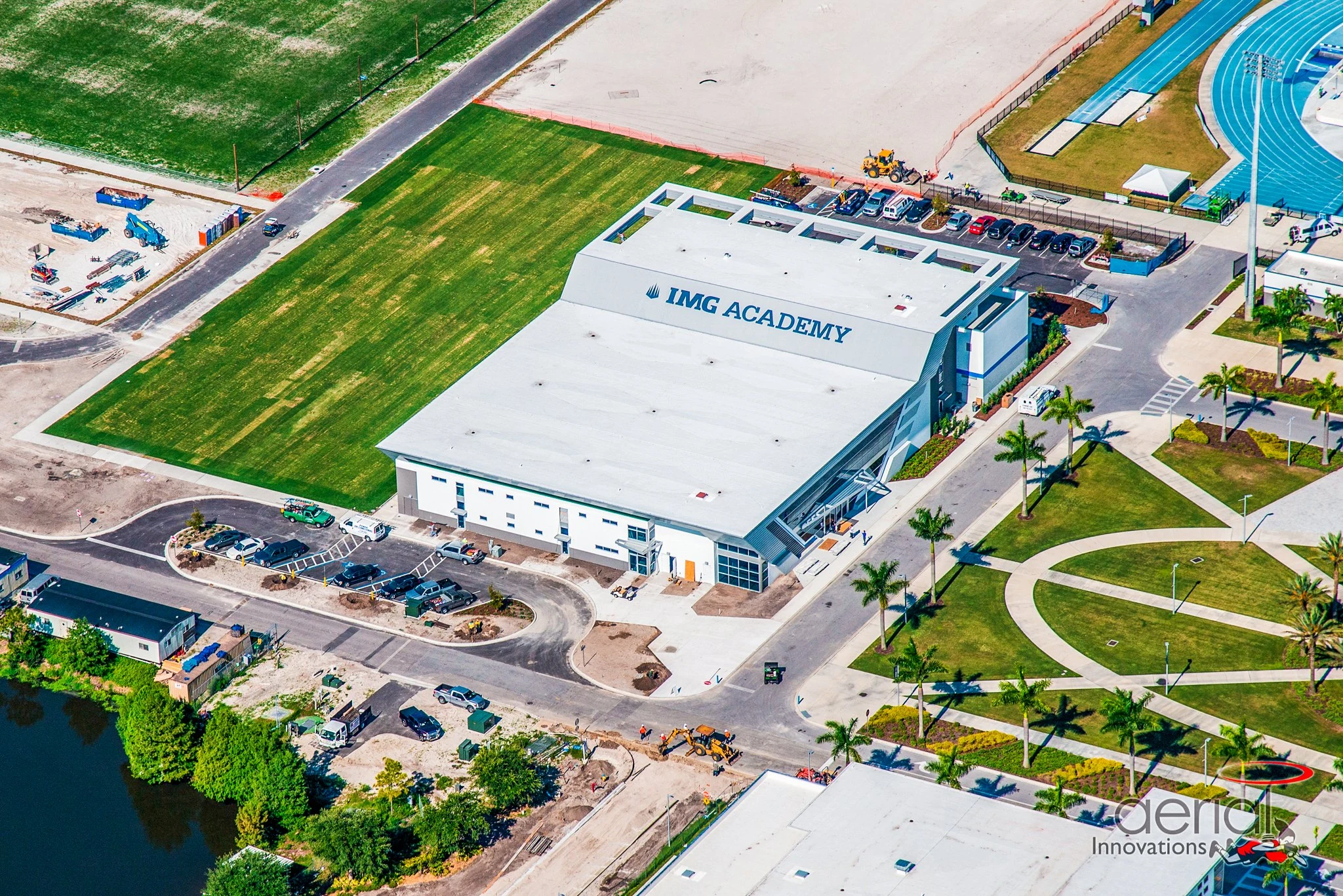
A gymnasium or fieldhouse roof spans much farther than a standard classroom wing, and that wider clear span changes how snow load distributes relative to the structure's original engineering. We check structural capacity separately for gym sections before recommending any added insulation or a heavier recover system, since a gym roof failure carries safety implications beyond a leak in a classroom ceiling.
Cafeteria and kitchen additions bring a smaller version of the same problem, since exhaust hoods and rooftop makeup-air units for a food service kitchen see grease and moisture exposure that the rest of a classroom roof never encounters. We flag those sections for closer inspection on any campus running a full-service kitchen rather than treating the roof as one uniform surface.
- Roof age and system type tracked building by building rather than assuming one district-wide cycle
- Deferred sections given an honest remaining-life estimate to support the next referendum request
- Portable and modular classroom roofs inspected on their own schedule, separate from the main building
- Geothermal and energy-recovery rooftop equipment mapped carefully on newer campuses
- Asbestos abatement timing coordinated with the district's environmental consultant before older reroofs
- Gymnasium and fieldhouse spans checked for structural capacity separately from classroom wings
The Academic Calendar Still Sets the Construction Window
Summer break remains the obvious window for major work, but Wisconsin's construction season and the school calendar don't perfectly overlap once weather delays or material lead times factor in. We start planning and material ordering well before the last day of school to protect the full summer window, and for referendum-funded projects awarded on a tight timeline, that early start matters even more.
Emergency repairs during the school year require tighter containment, keeping noise and debris away from occupied classrooms and HVAC intakes. We coordinate timing with building administration, often scheduling the loudest work around passing periods or after dismissal rather than disrupting a full instructional day.
Questions School Facilities Directors Ask Us
How does a referendum vote affect the timing of roof replacement?
It's often the deciding factor. We give districts a realistic remaining-life estimate so a needed roof can be built into the next referendum request rather than discovered after funding is already allocated elsewhere.
Do portable classroom units need separate roof inspections?
Yes. Their roof systems age differently than a permanent building's membrane, and a leak there takes a classroom out of use immediately, so we track them on their own schedule.
Does a newer geothermal or energy-recovery HVAC system change roof maintenance?
It adds more curbs and control penetrations to track than an older building's simpler rooftop unit layout, so we map that equipment carefully during inspection.
Can an older school building need asbestos review before reroofing?
Sometimes, particularly on roofing systems installed before the 1980s. We coordinate with the district's environmental consultant on abatement timing before scheduling the roofing work itself.
Why do gym roofs get evaluated separately from the rest of a school building?
The wider clear span changes how snow load and added roofing weight interact with the original structure, so we evaluate gym and fieldhouse sections on their own.