
Commercial Project Types
Government and Municipal Roofing in Green Bay, WI
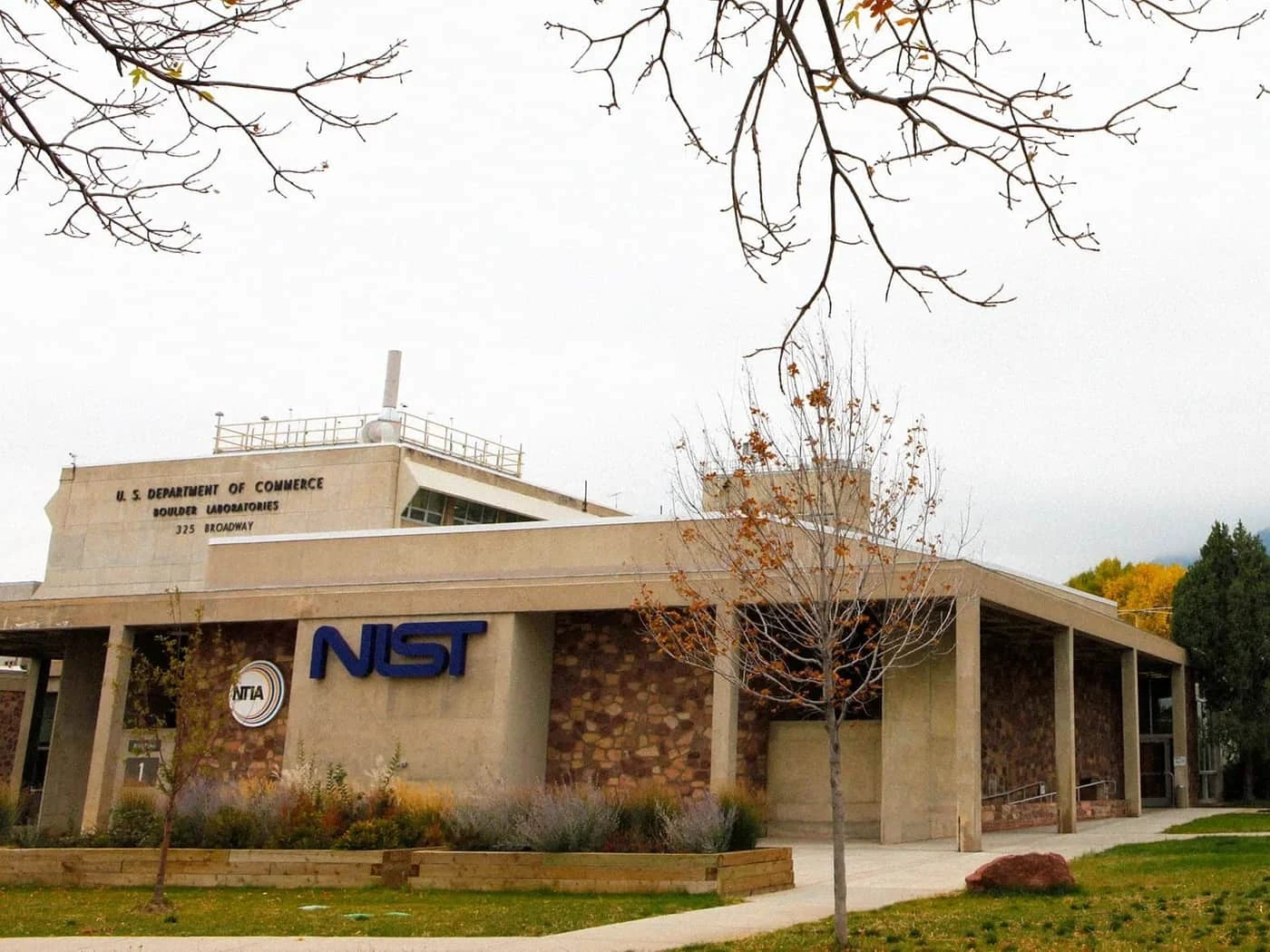
Public Works Garages and Salt Sheds Bring a Roofing Problem Most City Halls Don't Have
Public buildings in this market span everything from Brown County's administrative offices and courthouse complex to city and village public works facilities, fire stations, and library branches across Green Bay, Ashwaubenon, Howard, and De Pere. Budget cycles and public bid requirements set the pace of this work more than urgency does, and we price and document it to fit that process rather than a standard commercial sales approach.
Public Works Garages and Salt Storage Buildings Take Abuse a City Hall Roof Never Sees
Vehicle maintenance garages and equipment storage buildings run rooftop exhaust systems for welding bays and vehicle service pits, and that exhaust carries more particulate than a standard office building's rooftop units ever handle. We inspect exhaust curb flashing at these facilities on a shorter cycle than we would at an administrative building, since grime buildup there ages the seal faster than clean airflow would.
Salt storage domes and covered sheds bring a corrosion problem specific to municipal fleets, since airborne salt dust and moisture from bulk road-salt handling can accelerate metal fastener and edge-detail corrosion on nearby roof sections. We specify corrosion-resistant fasteners and flashing in these zones rather than a standard commercial spec, and we check for early corrosion signs during winter inspection visits when salt handling is at its peak.
Capital Planning Means the Roof Decision Gets Made Years Before the Work Starts
Most government buildings we work with plan roof replacement as a line item in a multi-year capital improvement budget, which means our first conversation with a facilities manager is often about remaining service life and replacement-year projections, not an immediate quote. We provide condition assessments with realistic timelines, sometimes years out, so the number can go into next year's budget request or a longer capital plan with a defensible basis behind it.
Public Bid Requirements Change How We Scope and Document a Project
Municipal and county roofing work typically runs through a formal bid process, and the specification has to be detailed enough that multiple contractors can bid apples-to-apples. We write scopes that spell out membrane type, thickness, insulation R-value, warranty terms, and any prevailing wage or public works documentation clearly enough to hold up through a competitive bid review rather than a rough estimate.
Older civic buildings downtown sometimes carry historic-preservation review requirements on top of the standard bid process, particularly on visible parapet and cornice details, and we factor that added review timeline into scheduling from the start rather than treating it as a surprise once a bid is already awarded.
Fire Stations and Libraries Each Bring Their Own Occupancy Constraints
A fire station roof has to accommodate apparatus bay clearances and can rarely go fully offline, since a truck that can't respond is not an acceptable outcome of a roofing schedule. A library branch or city office building has public hours and a front-desk operation that doesn't stop for construction noise. We plan access, staging, and noise-sensitive work around each building type's actual occupancy pattern rather than treating every public building the same way.
Police stations bring an added wrinkle, since evidence storage and records areas need moisture and humidity control that a roof leak can compromise in ways that go beyond ordinary property damage. We flag any roof section over those rooms for priority attention during inspection, and we sequence work there with the department's own security and access requirements rather than treating it like a standard office roof.
- Exhaust curb flashing at vehicle maintenance garages inspected on a shorter cycle than office buildings
- Corrosion-resistant fasteners and flashing specified near salt storage domes and covered sheds
- Condition assessments written with multi-year capital planning timelines rather than an immediate quote alone
- Bid specifications detailed enough for apples-to-apples comparison across contractors
- Historic-preservation review timelines factored into scheduling for downtown civic buildings
- Access and noise planning shaped to fit each building's actual public-facing operating hours
Winter Maintenance on Public Buildings Gets Budgeted, Not Improvised
Flat-roofed municipal buildings need the same freeze-thaw and drainage attention as any commercial roof in this climate, and we recommend built-in preventive maintenance line items in the annual facilities budget rather than waiting for a leak to trigger an emergency repair request that then has to compete for funding against other priorities.
Public works facilities specifically need their roof drains checked ahead of the first heavy salt-handling season, since a blocked drain over an equipment bay during a winter storm can put the very trucks the city needs for snow response out of commission at the worst possible time.
Common Questions From Public Facilities Managers
How far in advance should a municipal roof replacement be budgeted?
We generally recommend getting a condition assessment three to five years before expected replacement, so the number has time to work through a capital improvement budget cycle.
Does a public works garage need a different roof spec than a city office building?
Often yes, particularly around exhaust curbs and any section near salt storage, where we specify corrosion-resistant details that a standard office roof doesn't need.
Can you write a bid specification we can put out to multiple contractors?
Yes, that's a normal part of public sector work for us, and we write specs detailed enough to support a fair, apples-to-apples bid comparison.
Do historic downtown buildings add extra time to a roofing project?
Sometimes. Preservation review on visible parapet and cornice details can extend the timeline, and we build that into scheduling once we know a building falls under that review.
Can roofing work happen while a fire station or library stays in operation?
In most cases yes. We plan staging, access, and noise-sensitive tasks around the building's actual occupancy pattern rather than requiring a full closure.